
Photoengraving
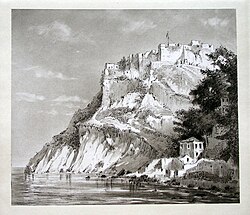
Photoengraving is a process used to make a picture or word by using light and chemicals. Have you ever played with shadow puppets where you use your hands to make a shadow on a wall? Photoengraving works in a similar way but is much more technical.
First, a metal plate is coated with a special chemical called a "photoresist." This chemical is very sensitive to light. Then, a film with a design or image on it is placed on top of the plate. This film has a clear part and a dark part.
Next, the plate and the film are put under a special light. The light shines through the clear parts of the film and hits the photoresist on the plate. The chemical on this part of the plate becomes hard, like a shell. However, where there is a dark part of the film, the photoresist stays soft.
Now comes the "engraving" part of photoengraving. The plate is put into a bigger machine with acid inside. The acid dissolves the soft parts of the photoresist that were not exposed to light. This creates little grooves or channels in the plate.
Finally, ink is put on the plate and then wiped off, so that it only stays in the grooves. The plate is then put through a printing press, which pushes the ink out of the grooves and onto paper or another material.
In summary, photoengraving is like making a shadow puppet with light instead of your hands, using chemicals and a special process to create grooves on a metal plate that can then be used to print images or words.
First, a metal plate is coated with a special chemical called a "photoresist." This chemical is very sensitive to light. Then, a film with a design or image on it is placed on top of the plate. This film has a clear part and a dark part.
Next, the plate and the film are put under a special light. The light shines through the clear parts of the film and hits the photoresist on the plate. The chemical on this part of the plate becomes hard, like a shell. However, where there is a dark part of the film, the photoresist stays soft.
Now comes the "engraving" part of photoengraving. The plate is put into a bigger machine with acid inside. The acid dissolves the soft parts of the photoresist that were not exposed to light. This creates little grooves or channels in the plate.
Finally, ink is put on the plate and then wiped off, so that it only stays in the grooves. The plate is then put through a printing press, which pushes the ink out of the grooves and onto paper or another material.
In summary, photoengraving is like making a shadow puppet with light instead of your hands, using chemicals and a special process to create grooves on a metal plate that can then be used to print images or words.
Related topics others have asked about: